
Call us now :08045801178
 Send Inquiry
 Send Inquiry
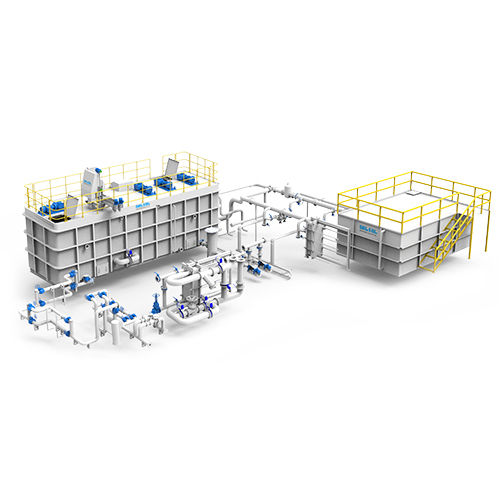
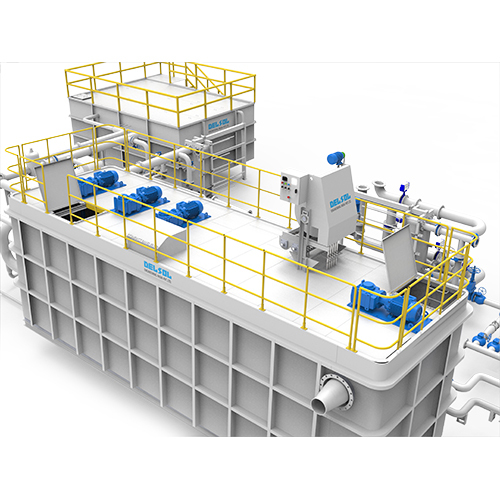
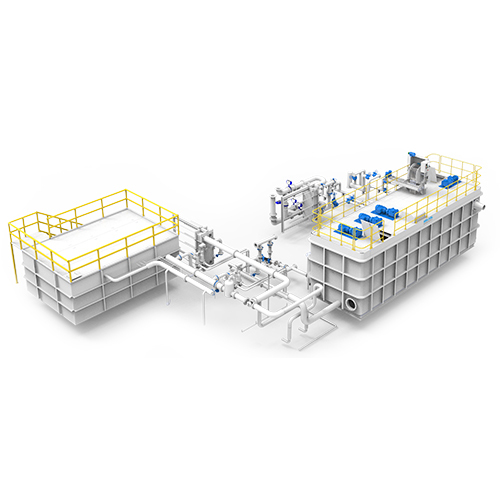
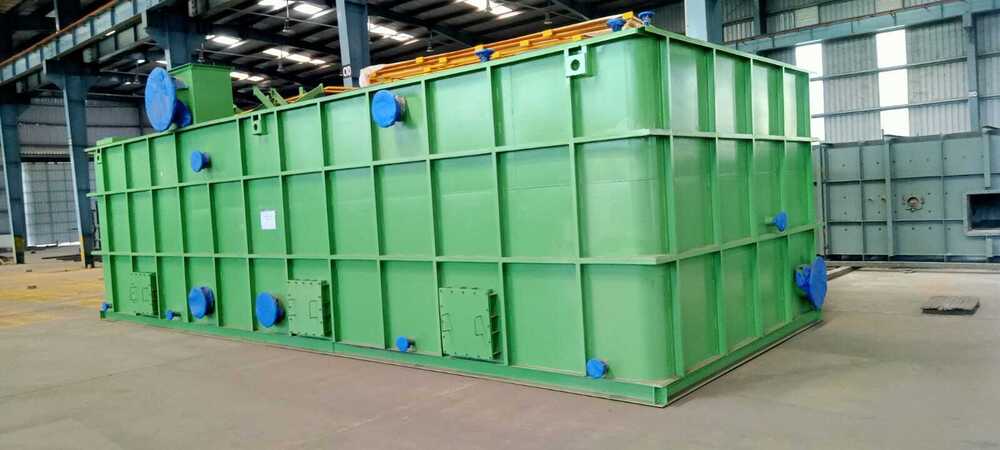
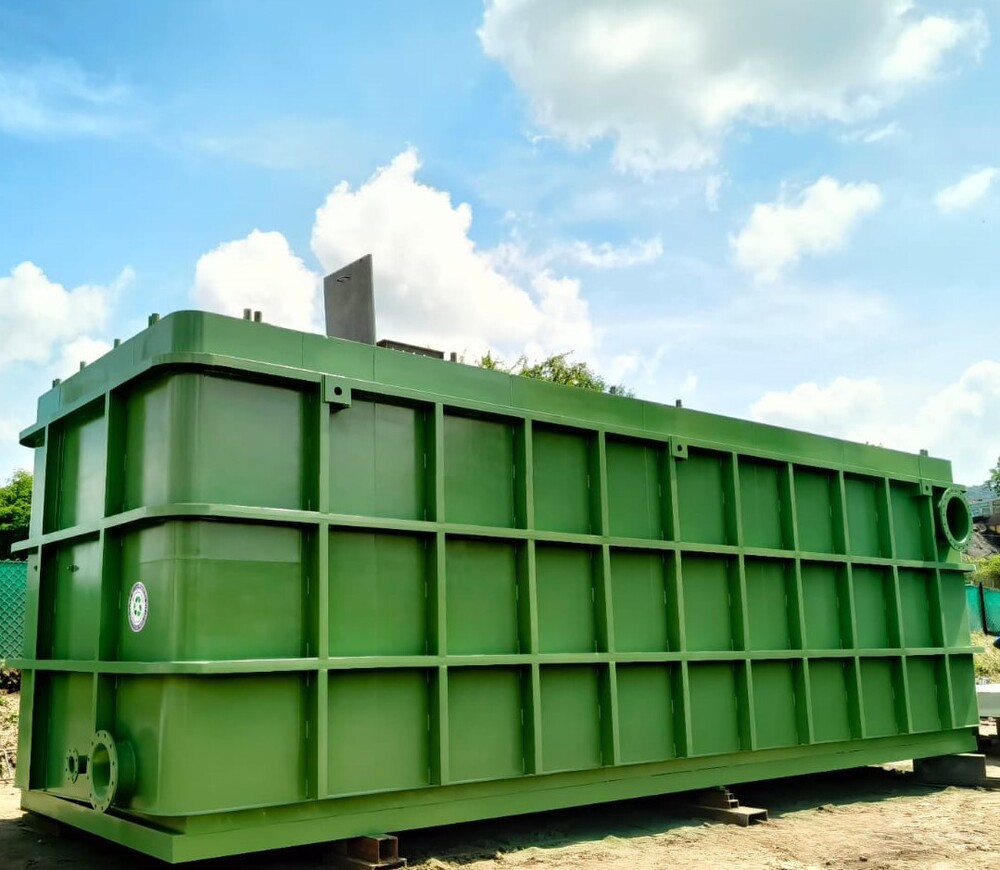
Roll Coolant Filtration System
Price 2500000.00 INR/ Unit
MOQ : 1 Unit
Roll Coolant Filtration System Specification
- Product Type
- Other
- Material
- Aluminum alloys
- Inlet/Outlet
- LPM
- Size
- Different Sizes Available
Roll Coolant Filtration System Trade Information
- Minimum Order Quantity
- 1 Unit
- Payment Terms
- Cash Advance (CA), Cash in Advance (CID)
- Supply Ability
- 12 Units Per Year
- Delivery Time
- 1 Months
- Main Domestic Market
- All India
Roll Coolant Filtration System About
Our Roll Coolant Filtration System is a specialized filtration unit used in metal rolling mills (especially steel and aluminium processing) to filter and recirculate the coolant used in the rolling process. These systems play a critical role in maintaining the quality of the rolled product, protecting equipment, and extending coolant life.
WHAT IS A ROLL COOLANT FILTRATION SYSTEM?
Its an industrial filtration setup designed to:
- Clean and recycle coolant (oil or emulsion) used in rolling mills.
- Remove contaminants such as metal fines, scale, and debris.
- Maintain fluid temperature, pressure, and cleanliness to ensure efficient rolling operations.
WHY IS FILTRATION IMPORTANT IN ROLLING MILLS?
- Improves surface finish of the rolled material.
- Reduces tool and roll wear.
- Minimizes downtime due to maintenance.
- Increases coolant lifespan and reduces disposal costs.
- Prevents clogging and wear of downstream equipment (like heat exchangers, pumps, etc.).
SYSTEM COMPONENTS
- Collection Troughs / Tanks: Collect coolant from mill stand area.
- Coarse Pre-Filters: Remove large particles, scale, and chips.
Main Filtration Units
May include:
- Vertical Type Candle Magnetic Separator
- Agitator
- Self-cleaning filtration system
- Oil Skimmer
- Compact band filter
Clean Coolant Tank: Stores filtered coolant ready for reuse.
Pump Systems: Transfer coolant through the system and back to the mill.
Cooling Units (Optional): Heat exchangers or chillers to maintain coolant temperature.
Control Panel (PLC / HMI): Manages operations, alarms, and monitoring.
WORKING PRINCIPLE (GENERAL FLOW)
- Dirty coolant from the rolling mill is collected.
- Coarse filtration removes large debris.
- It passes through fine filtration (Compact band filter / Self-cleaning filter / Vertical Type Candle Magnetic Separator / Oil Skimmer)
Clean coolant is cooled (if required).
Coolant is pumped back to the rolling process.
Sludge/particles are collected and disposed of or processed.
COOLANT TYPES
- Water-based emulsions (common in aluminium mills)
- Oil-based coolants (used in cold rolling of steel)
- Synthetic or semi-synthetic fluids
APPLICATIONS
- Steel cold rolling mills
- Aluminium strip mills
- Tandem rolling lines
- Hot/cold rolling stands
- Pickling & finishing lines
DESIGN CONSIDERATIONS
- Flow rate (m/hr or LPM)
- Filtration accuracy (micron rating)
- Type and concentration of contaminants
- Type of coolant fluid
- Required temperature control
- Footprint and layout
- Automation and monitoring level
ADVANTAGES
- Improves product quality
- Reduces operational costs
- Environmentally friendly (reduced disposal)
- Ensures equipment longevity
- Consistent rolling process
GENERAL INFORMATION
- Manufacturer: Delsol Engineering India Pvt Ltd.
- Model: RCFS-Series (customizable as per application)
- Application: Coolant filtration for steel/aluminium rolling mills
TECHNICAL SPECIFICATIONS
PERFORMANCE
- Designed for 24/7 industrial operation
- Recycles up to 95% of coolant
- Maintains coolant clarity and temperature
INSTALLATION REQUIREMENTS
- Space: As per layout drawing
- Utility Requirements:
- Electrical: 415V, 50Hz
- Water (for cooling if applicable)
- Drainage connection
OPTIONAL FEATURES
- SCADA Integration
- Sludge Dewatering System
- Remote Monitoring
DOCUMENTATION PROVIDED
- GA Drawings
- PFD (Proses flow Diagram)
- P&ID (Piping And Instrumentation Diagram)
- Test Certificates
- User Manual
- Electrical Wiring Diagram
WARRANTY & SUPPORT
- Warranty: 12 months from date of commissioning
- On-site support & AMC available
Versatile Material Compatibility
This filtration system can handle coolants used with aluminum alloys and mild steel, making it suitable for applications spanning multiple metalworking industries. Its flexibility ensures reliable performance regardless of the workpiece material.
Customizable Sizing and Flow Rates
Designed to accommodate various scales of operations, the Roll Coolant Filtration System is available in different sizes with adjustable inlet and outlet capacities (LPM). This adaptability makes it easy to integrate into new or existing production lines.
FAQ's of Roll Coolant Filtration System:
Q: How does the Roll Coolant Filtration System operate?
A: The system works by directing coolant through specialized filters that capture contaminants and particulates, ensuring cleaner coolant returns to the machine. This process maintains coolant quality, enhances equipment performance, and reduces maintenance.Q: What materials are compatible with this filtration system?
A: The system is suitable for use with coolants in processes involving aluminum alloys and mild steel (MS), making it ideal for a broad range of metalworking operations in industry.Q: When should a Roll Coolant Filtration System be installed?
A: It is recommended to install the filtration system wherever coolant lifespan, machine longevity, or workpiece quality are critical. Early integration is especially beneficial in high-volume manufacturing environments.Q: Where is the Roll Coolant Filtration System manufactured and supplied?
A: This system is fabricated, manufactured, and supplied in India, serving customers nationwide and supporting a wide variety of industrial sectors.Q: What is the process for selecting the right size and flow rate?
A: Clients can choose from different sizes and specify inlet/outlet flow rates (LPM) depending on their machinery and production line requirements. The manufacturer can assist in determining the best configuration for each application.Q: How is the filtration system used in manufacturing?
A: The system is integrated into coolant lines, continuously filtering coolant during operation. This helps minimize unscheduled downtime, maintain product quality, and prolong the life of cutting fluids.Q: What are the primary benefits of using this filtration system?
A: Key benefits include improved coolant cleanliness, reduced machinery wear, extended tool life, and enhanced overall productivity, making it a valuable investment for fabricators and manufacturers.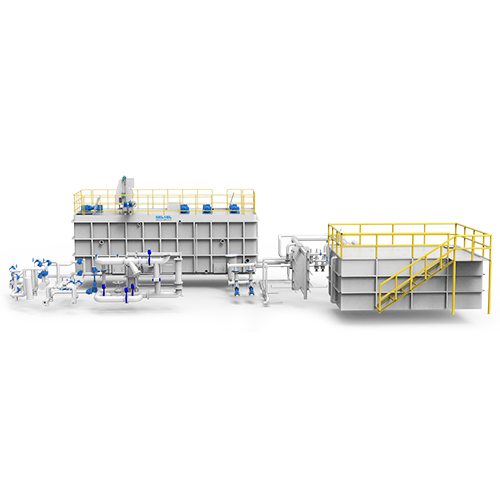
Tell us about your requirement

Price:
Quantity
Select Unit
- 50
- 100
- 200
- 250
- 500
- 1000+
Additional detail
Mobile number
Email

More Products in Roll Coolant System Category
ROLL COOLENT FILTERATION SYSTEM
Price 2500000 INR / Unit
Minimum Order Quantity : 1 Unit
Size : Customizable as per requirements
Diameter : Custom (based on system design)
Vehicle Type : Industrial Machinery (Not for Vehicles)
Material : MS

 Send Inquiry
Our Products
- Roll Coolant System
- Vertical Type Candle Magnetic Separator
- Industrial Agitator
- Paper Band Filter
- Compact Band Filter
- Vacuum Filter
- Magnetic Separator
- Sump Tanks
- Cartridge Filters
- Self Cleaning Filter
- Oil Skimmers
- Chip Wringer
- Scraper Conveyor
- Slat Conveyor
- Screw Conveyors
- Belt Conveyors
- Chemical Plants Pipeline
- SS Chain Conveyor
- Air Receiver Vessel
- SS Tank
- Water Treatment Tank
- Heat Exchanger
- Heavy Machinery Base Frames
- Bucket Elevator
- Magnetic Chip Conveyor
- Chip Conveyor
- Oil Filtration System
- Furnace Casing
- Conveyor System

Gat No- 467, At/Po- Urawade, Tal- Mulshi, Dist- Pune, Pune - 412115, Maharashtra, India

Mr Shankar Prabhakar Gade
(Director)
Mobile :08045801178
 Send Inquiry
 Send SMS
 Call Me Free
Developed and Managed by Infocom Network Private Limited.
 English
 Spanish
 French
 German
 Italian
 Chinese (Simplified)
 Japanese
 Korean
 Arabic
 Portuguese