
Call us now :08045801178
 Send Inquiry
 Send Inquiry
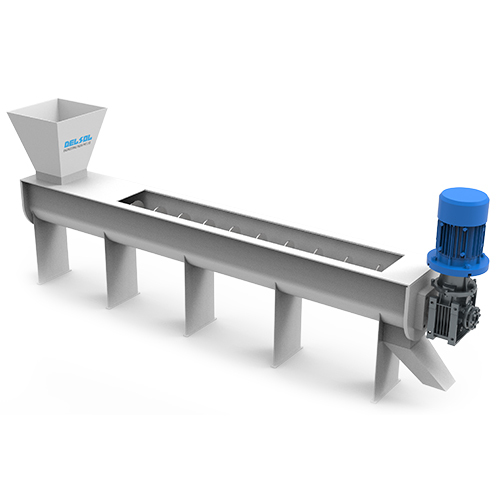
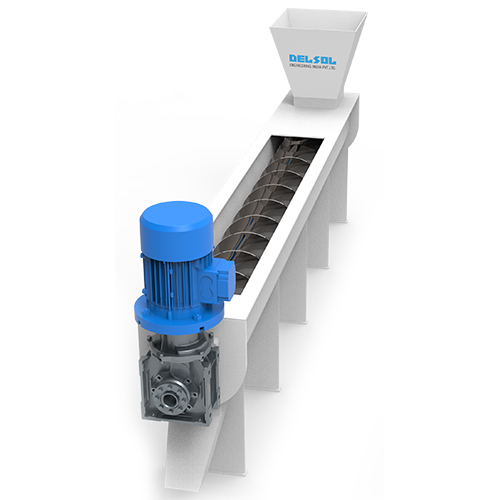
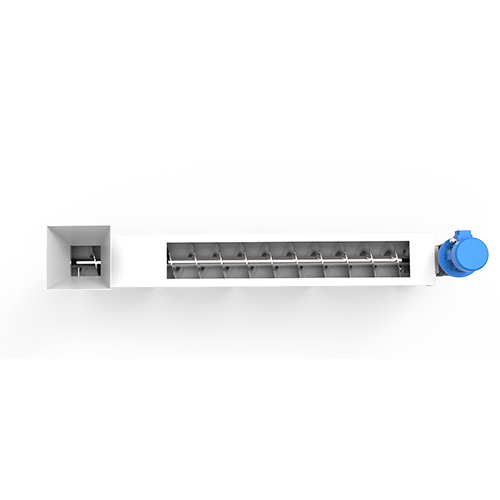
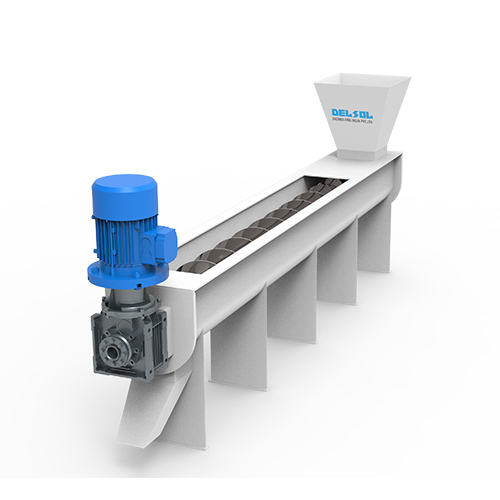
Screw Conveyors
Price 50000 INR/ Unit
MOQ : 1 Unit
Screw Conveyors Specification
- Thickness
- 3 to 5 Millimeter (mm)
- Power Source
- 440
- Usage
- Industrial
- Type
- Screw Conveyor
- Height
- 900 To 1500 Millimeter (mm)
- Product Type
- Conveyor
- Weight
- 150 To 2200 Kilograms (kg)
- Color
- RAL 7035, Appel Green SS
- Length
- 600 To 7500 Millimeter (mm)
- Width
- 150 To 750 Millimeter (mm)
- Load Capacity
- 10Kg to 2.5 Tone Kilograms (kg)
- Voltage
- 440 Volt (v)
- Power
- 440 Volt (v)
- Speed
- 10 To 100 RPM
- Warranty
- 1 Years
Screw Conveyors Trade Information
- Minimum Order Quantity
- 1 Unit
- Payment Terms
- Cash Advance (CA), Cash in Advance (CID)
- Supply Ability
- 15 Units Per Month
- Delivery Time
- 1 Months
- Main Domestic Market
- All India
Screw Conveyors About
SCREW CONVEYOR.!
1. Whatis a Screw Conveyor?
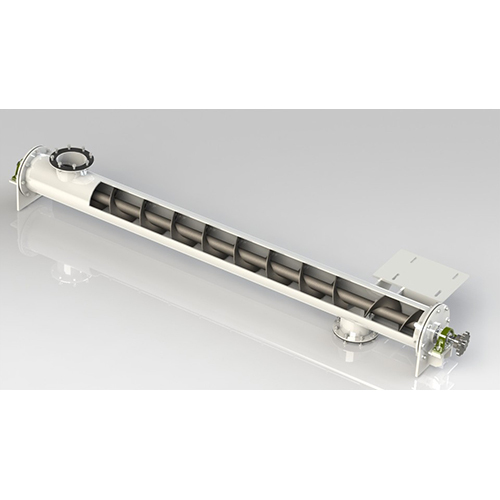
A ScrewConveyor is a mechanical device that uses a rotating helical screw blade(called a "flighting") housed within a tube or trough to move bulkmaterials. Its used for horizontal, inclined, or vertical transport ofgranular or semi-solid materials.
2. Applications
- Chips and metal scrap conveying
- Powder handling (cement, ash, flour)
- Wastewater sludge
- Food grains and animal feed
- Fertilizers and chemicals
3.Working Principle
The screwrotates via a motor, and material moves forward due to the helical bladespushing action along the conveyor casing.
4. Types of Screw Conveyors
| Type | Description |
| Horizontal | Most common for bulk material handling |
| Inclined | Used for elevating material |
| Vertical | For lifting material to higher elevations |
| Shaftless | For sticky, fibrous, or bulky materials |
| Flexible Screw Conveyor | For tight spaces and flexible routing |
5.Technical Specifications (Example)
| Parameter | Value |
| Screw Diameter | 100 mm 600 mm |
| Capacity | Up to 100 TPH |
| Length | Up to 20 meters (customizable) |
| Inclination Angle | 0 to 90 |
| Material of Construction | MS, SS304, SS316, Hardox, etc. |
| Motor Power | 0.5 HP 15 HP |
| Drive Type | Direct / Chain / Belt |
6. Advantages
- Enclosed design dust-free
- Space-saving and compact
- Continuous and uniform feed
- Easy to maintain
- Cost-effective and durable
7. Selection Parameters
- Type of material (density, abrasiveness, moisture)
- Conveying length and height
- Capacity requirement (TPH or m/hr)
- Temperature and pressure conditions
- Construction material and finish
Precision Engineering for Versatile Industrial Needs
These screw conveyors deliver reliable performance for a wide range of industrial applications, from bulk material handling to specialized manufacturing processes. Manufactured with attention to durability and operational stability, they handle everything efficiently, whether the material load is light or heavy. Their precise construction and adjustable features ensure they are adaptable to varied factory settings.
Flexible and Customizable Options
With a notable choice in lengths, widths, and speeds, our conveyors cater to specific spatial constraints and throughput requirements. The sturdy build, from 3 to 5 mm thick, allows for long-term use under demanding industrial conditions, while the two standard colors complement modern manufacturing environments.
Energy-Efficient and Easy to Operate
Designed to function seamlessly on a 440-volt power supply, these conveyors offer consistent performance and safety. The simple control mechanism makes them straightforward to operate, reducing staff training needs and streamlining integration into existing systems.
FAQ's of Screw Conveyors:
Q: How do screw conveyors benefit industrial operations?
A: Screw conveyors streamline material transportation by efficiently moving bulk or semi-solid materials within a controlled environment. This reduces manual handling, increases safety, and enhances productivity across various industrial settings.Q: What materials and loads can these screw conveyors handle?
A: These conveyors are engineered for load capacities from 10 kg to 2.5 tonnes, making them suitable for a diverse array of materials, including powders, grains, aggregates, and more, whether for light-duty or heavy-duty industrial use.Q: Where can these screw conveyors be installed?
A: Their adaptable length and width range allow them to fit into most industrial spaces such as manufacturing plants, processing factories, and warehouses throughout India, accommodating both compact and expansive layouts.Q: What is the process of installing and commissioning the screw conveyor?
A: After selecting the appropriate size and features, installation involves secure assembly on a flat, stable surface and electrical connection to a 440V power supply. Once installed, a brief commissioning procedure ensures optimal alignment, operational speed, and safety checks.Q: When should you consider routine maintenance for these conveyors?
A: Regular maintenance is recommended at set intervals, based on usage intensity-typically every few months-to ensure components remain lubricated, debris-free, and safely aligned, prolonging lifespan and warranty coverage.Q: How does the speed adjustment benefit operations?
A: With adjustable speeds from 10 to 100 RPM, operators can tailor conveyor movement to suit material type and processing rate, optimizing throughput and minimizing spillage or blockages.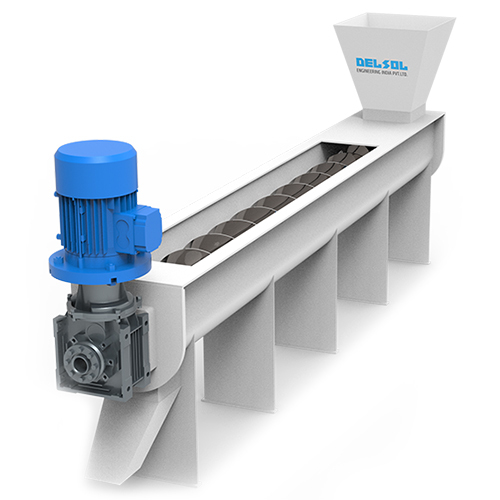
Tell us about your requirement

Price:
Quantity
Select Unit
- 50
- 100
- 200
- 250
- 500
- 1000+
Additional detail
Mobile number
Email


 Send Inquiry
Our Products
- Roll Coolant System
- Vertical Type Candle Magnetic Separator
- Industrial Agitator
- Paper Band Filter
- Compact Band Filter
- Vacuum Filter
- Magnetic Separator
- Sump Tanks
- Cartridge Filters
- Self Cleaning Filter
- Oil Skimmers
- Chip Wringer
- Scraper Conveyor
- Slat Conveyor
- Screw Conveyors
- Belt Conveyors
- Chemical Plants Pipeline
- SS Chain Conveyor
- Air Receiver Vessel
- SS Tank
- Water Treatment Tank
- Heat Exchanger
- Heavy Machinery Base Frames
- Bucket Elevator
- Magnetic Chip Conveyor
- Chip Conveyor
- Oil Filtration System
- Furnace Casing
- Conveyor System

Gat No- 467, At/Po- Urawade, Tal- Mulshi, Dist- Pune, Pune - 412115, Maharashtra, India

Mr Shankar Prabhakar Gade
(Director)
Mobile :08045801178
 Send Inquiry
 Send SMS
Developed and Managed by Infocom Network Private Limited.
 English
 Spanish
 French
 German
 Italian
 Chinese (Simplified)
 Japanese
 Korean
 Arabic
 Portuguese