
Call us now :08045801178
 Send Inquiry
 Send Inquiry
Centralize Chip Conveyor
Price 500000.00 INR/ Unit
MOQ : 1 Unit
Centralize Chip Conveyor Specification
- Features
- Durable
- Thickness
- 3 to 5 Millimeter (mm)
- Power Source
- 440
- Usage
- Industrial
- Material
- Mild Steel
- Type
- Vertical Conveyor
- Size
- Different Sizes Available
- Height
- 300 To 3600 Millimeter (mm)
- Weight
- 50 To 350 Kilograms (kg)
- Color
- RAL 7035, Appel Green SS
- Width
- 300 To 1800 Millimeter (mm)
- Length
- 1000 To 15000 Millimeter (mm)
- Resistant Feature
- Oil Resistant
- Load Capacity
- 10 to 2000 Kilograms (kg)
- Voltage
- 415 Volt (v)
- Power
- 440 Volt (v)
- Speed
- 10 To 100 RPM
- Warranty
- 1 Years
- Usage & Applications
- Conveyors
Centralize Chip Conveyor Trade Information
- Minimum Order Quantity
- 1 Unit
- Supply Ability
- 12 Units Per Year
- Delivery Time
- 1 Months
- Main Domestic Market
- All India
Centralize Chip Conveyor About
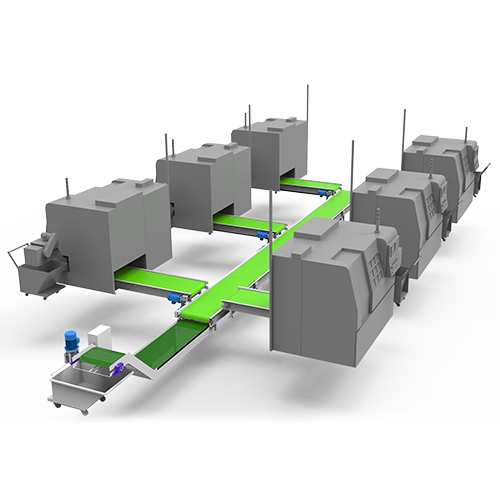
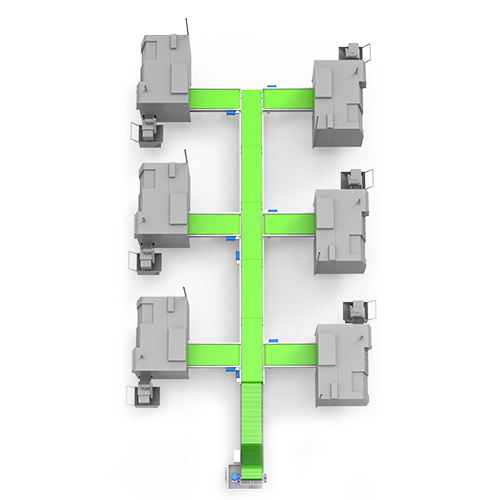
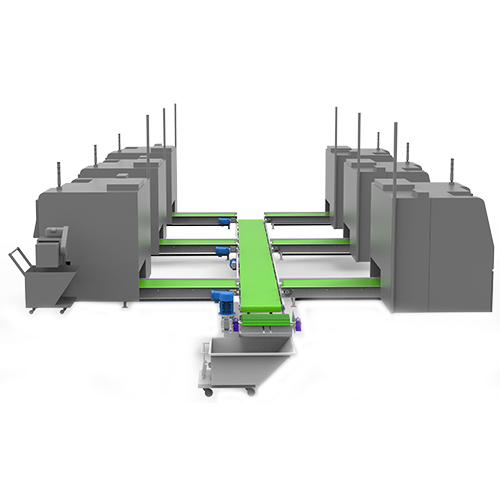
Centralized Chip Conveyor System
Overview:
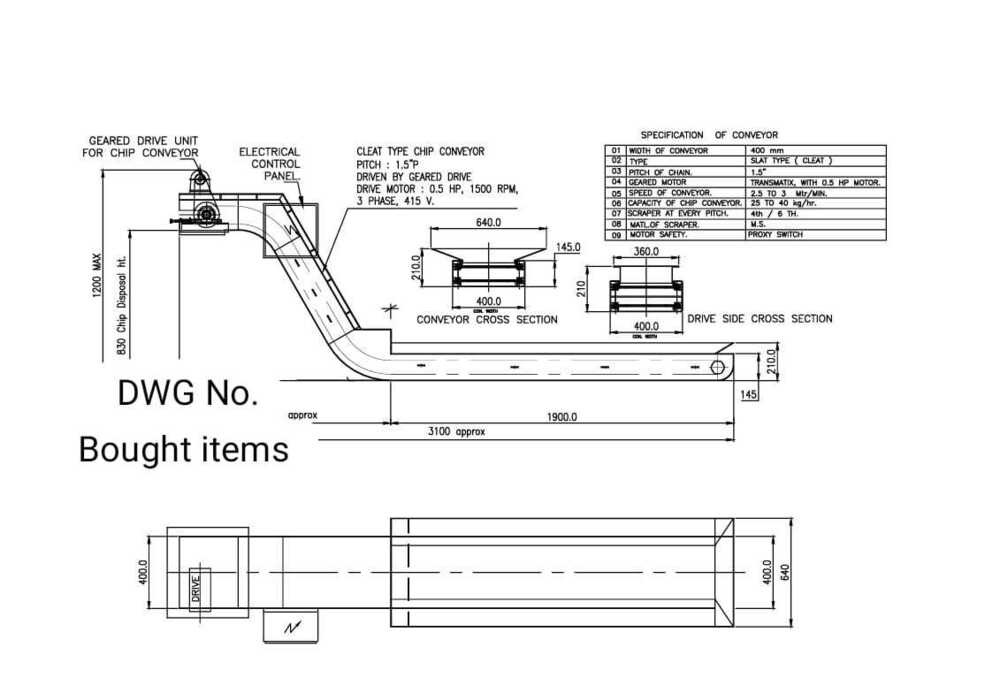
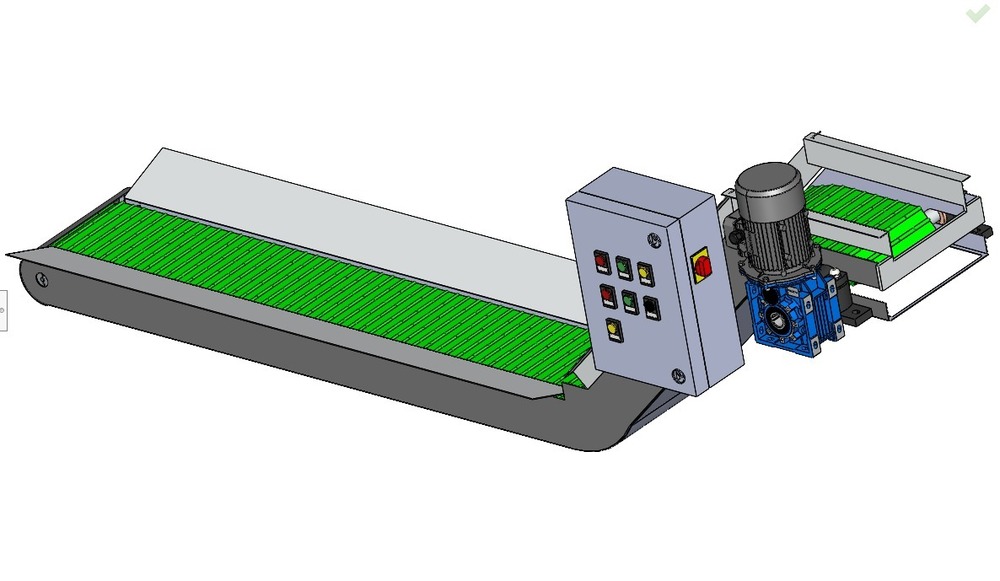
A Centralized Chip Conveyor System is an integrated material handling system used to collect, transport, and manage metal chips from multiple machine tools to a centralized disposal or recycling point. This system improves shop floor cleanliness, automation, and chip handling efficiency in CNC and machining environments.
Technical Specifications:
| Parameter | Description |
| Application | Chip handling in CNC, VMC, HMC shops |
| Material Handled | Steel, Aluminum, Brass, Cast Iron Chips |
| Chip Type | Dry / Wet / Stringy / Fine / Coarse |
| Conveyor Types Used | Scraper, Slat, Screw, Belt, Magnetic, or Combination |
| Collection Points | From multiple machines |
| Disposal Point | Briquetting machine / Chip wringer / Scrap bin |
| Control | Centralized PLC / Electrical Panel |
| Customization | Layout, capacity, and design tailored to shop floor |
| Power Supply | 3 Phase, 415V, 50Hz or as required |
| Material | Mild Steel / SS304 (as required) |
- Reduces manpower and manual chip handling
- Improves floor cleanliness and machine uptime
- Efficient centralized chip disposal
- Saves space and improves shop organization
- Integrates easily with chip wringers, oil skimmers, and coolant filtration systems
- Automatable with sensors and level indicators
Applications:
- Automotive Component Manufacturers
- CNC and VMC Machining Centers
- Die and Mold Manufacturers
- Foundries and Fabrication Units
- Aerospace & Defense Workshops
High Efficiency Chip Handling
Centralize Chip Conveyors are engineered to streamline scrap and chip management in industrial environments. Their robust design ensures continuous operation, reducing manual labor and downtime. With a wide load capacity, adaptable dimensions, and adjustable speed, these conveyors fit seamlessly into fabrication and manufacturing processes to keep your workspace clean and efficient.
Built for Durability and Reliability
Constructed from high-quality mild steel and finished with industrial-grade coatings, these conveyors are built to last. Oil resistance and solid mechanical structure mitigate wear and tear, even in the most demanding settings. Backed by a one-year warranty, they guarantee reliable and safe operation for your industrial chip disposal needs.
FAQ's of Centralize Chip Conveyor:
Q: How does the Centralize Chip Conveyor enhance industrial operations?
A: This conveyor streamlines the removal and transport of metal chips, reducing manual handling, minimizing downtime, and maintaining a safer, cleaner workspace.Q: What materials and finishes are used in the construction of the conveyor?
A: The conveyor is fabricated from durable mild steel and features finishes such as RAL 7035 and Appel Green SS, providing both strength and resistance to oils and industrial conditions.Q: When is the optimal time to use a vertical chip conveyor in manufacturing?
A: Vertical chip conveyors are most effective during active fabrication or machining processes, where rapid chip removal and continuous operation are required to maintain productivity.Q: Where can this conveyor be installed in a manufacturing facility?
A: These conveyors are versatile and can be integrated into various sections of a facility, such as alongside CNC machines, lathes, or processing lines, wherever chip accumulation is a concern.Q: What is the installation process of the Centralize Chip Conveyor?
A: Installation involves positioning the conveyor near chip-producing machinery, connecting it to an appropriate power source (415-440V), and calibrating the speed and height settings according to operational needs.Q: How does the conveyor's oil-resistant feature benefit users?
A: The oil-resistant design extends the conveyor's lifespan and reduces maintenance needs, making it ideal for environments with oily or greasy waste, thus ensuring consistent performance.Q: What are the benefits of choosing different sizes and adjustable speeds for this conveyor?
A: The availability of various lengths, widths, heights, and speed settings allows customization to suit specific workspace layouts, production volumes, and material types, optimizing efficiency.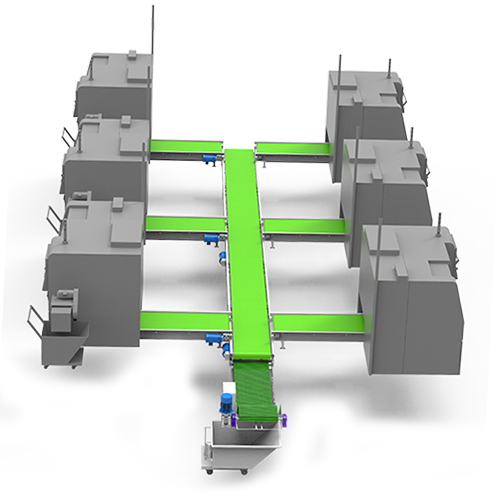
Tell us about your requirement

Price:
Quantity
Select Unit
- 50
- 100
- 200
- 250
- 500
- 1000+
Additional detail
Mobile number
Email


 Send Inquiry
Our Products
- Roll Coolant System
- Vertical Type Candle Magnetic Separator
- Industrial Agitator
- Paper Band Filter
- Compact Band Filter
- Vacuum Filter
- Magnetic Separator
- Sump Tanks
- Cartridge Filters
- Self Cleaning Filter
- Oil Skimmers
- Chip Wringer
- Scraper Conveyor
- Slat Conveyor
- Screw Conveyors
- Belt Conveyors
- Chemical Plants Pipeline
- SS Chain Conveyor
- Air Receiver Vessel
- SS Tank
- Water Treatment Tank
- Heat Exchanger
- Heavy Machinery Base Frames
- Bucket Elevator
- Magnetic Chip Conveyor
- Chip Conveyor
- Oil Filtration System
- Furnace Casing
- Conveyor System

Gat No- 467, At/Po- Urawade, Tal- Mulshi, Dist- Pune, Pune - 412115, Maharashtra, India

Mr Shankar Prabhakar Gade
(Director)
Mobile :08045801178
 Send Inquiry
 Send SMS
 Call Me Free
Developed and Managed by Infocom Network Private Limited.
 English
 Spanish
 French
 German
 Italian
 Chinese (Simplified)
 Japanese
 Korean
 Arabic
 Portuguese