
Call us now :08045801178
 Send Inquiry
 Send Inquiry
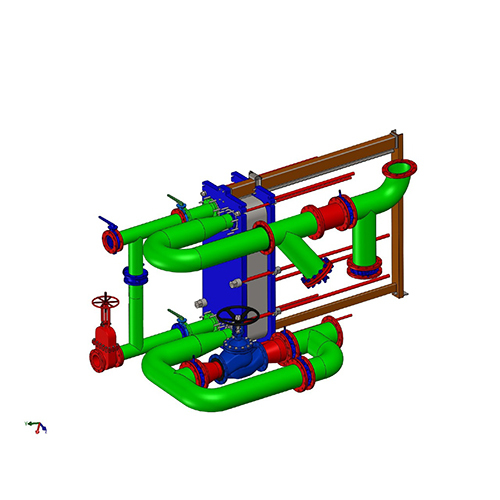
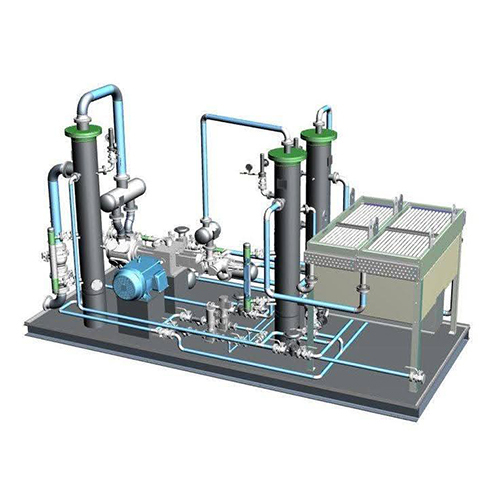
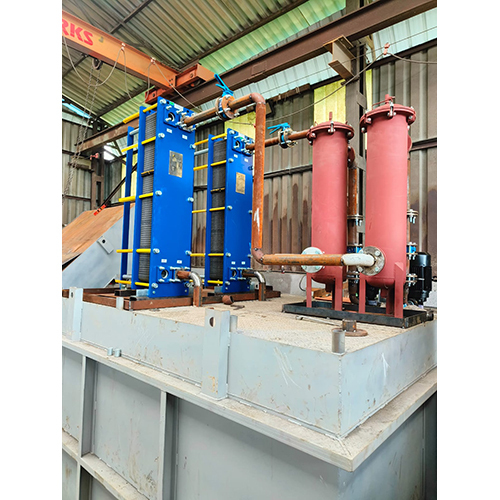
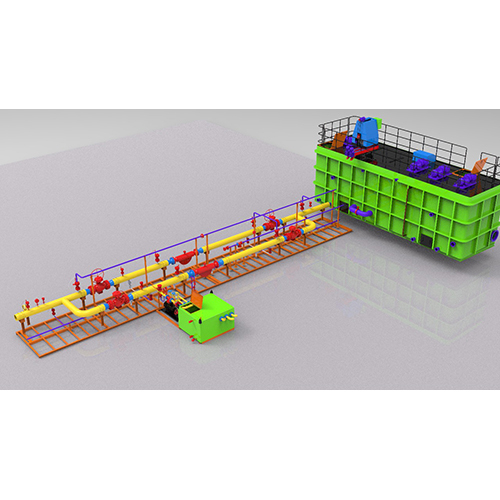
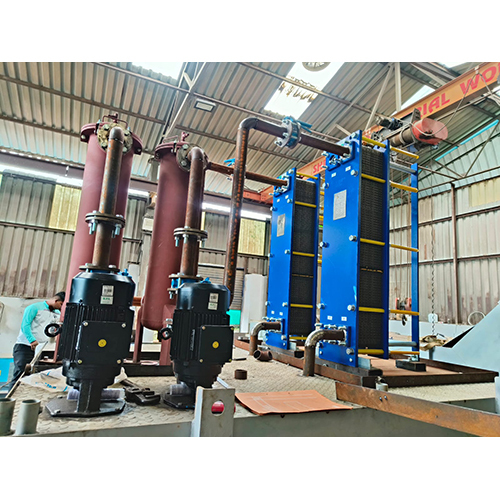
Oil & Gas Lubricant Pipeline
Price 35000 INR/ Unit
MOQ : 1 Unit
Oil & Gas Lubricant Pipeline Specification
- Diameter
- 25 To 500 Millimeter (mm)
- Capacity
- 10 To 10000 Ltr/hr
- Usage
- Industrial
- Working Presssure
- 2.5 Bar To 20 Bar
- Material
- MS & SS
- Pressure Ratings
- 2.5 Bar To 20 Bar
- Fittings
- Elbows, Tees, Reducers, Couplings, Flanges, Caps Nipples, Valves
- Application
- Oil & Gas Industri
- Dimension (L*W*H)
- 1 Meter (m)
- Material Grade
- MS & SS
- Surface Finish
- Blasting & Painting
- Pipe Type
- Seamless pipes & ERW pipes
Oil & Gas Lubricant Pipeline Trade Information
- Minimum Order Quantity
- 1 Unit
- Payment Terms
- Cash Advance (CA), Cash in Advance (CID)
- Supply Ability
- 500 Units Per Month
- Delivery Time
- 1 Months
- Main Domestic Market
- All India
Oil & Gas Lubricant Pipeline About
What is a Gas Pipeline?
A Gas Pipeline is an interconnected system of pipesdesigned to transport natural gas, LPG, biogas, or industrial gases fromone location to another such as from refineries to distribution points, orfrom mainlines to end-users like homes, factories, or power plants.
Working Principle
- Pressurized gas flows through pipes under controlled conditions.
- A compressor or pressure regulator maintains flow pressure.
- Valves regulate flow, isolate sections, or vent pressure.
- Monitoring systems ensure leak-free, safe, and efficient delivery.
Key Components
Types of GasPipelines
Materials Used
TechnicalSpecifications (Typical Range)
Design Standards& Codes
- ASME B31.3 Process Piping
- ASME B31.8 Gas Transmission & Distribution
- API 5L Pipe standards for line pipe
- IS 6044 LPG installation in buildings
- NFPA 54 National Fuel Gas Code
- OISD Guidelines (India)
- PNGRB Guidelines (India)
Advantages
- Safe and reliable gas transportation
- High efficiency and low operating cost
- Underground pipelines save space
- Suitable for remote areas
- Durable materials last for decades
SafetyConsiderations
- Pressure Relief Valves
- Flame Arrestors
- Gas Leak Detectors
- Cathodic Protection (for corrosion)
- Color Coding (yellow for natural gas)
- Firefighting provisions
- Emergency Shutdown System (ESD)
Applications
- Residential Gas Supply Kitchens, water heaters
- Commercial Use Hotels, hospitals, malls
- Industrial Boilers, furnaces, heat treatment
- CNG/PNG stations
- Power Plants
- Chemical & Pharma Industry
- Biogas Pipelines Renewable energy sector
Industry-Ready Design and Material Options
Tailored for oil and gas applications, these pipelines utilize both mild steel (MS) and stainless steel (SS) to ensure compatibility with varied lubricants and environmental demands. Surface finishing with blasting and painting further enhances lifespan and corrosion resistance, making them ideal for harsh industrial settings.
Versatility in Applications and Fitting Solutions
The pipelines support a comprehensive range of fittings, including elbows, tees, reducers, couplings, and valves, allowing for flexible configurations to match specific site layouts. With a wide diameter range and multiple pressure ratings, these pipelines conform to the requirements of modern oil & gas infrastructure.
FAQ's of Oil & Gas Lubricant Pipeline:
Q: How are these lubricant pipelines constructed for oil and gas applications?
A: The pipelines are manufactured using either seamless or ERW pipe types, crafted from mild steel (MS) or stainless steel (SS). They undergo extensive surface preparation with blasting and painting to increase resilience against corrosion, making them suitable for demanding oil and gas industry environments.Q: What fittings are compatible with these oil & gas pipelines?
A: A wide variety of fittings are available, including elbows, tees, reducers, couplings, flanges, caps, nipples, and valves. This allows for customized installation to meet various operational and maintenance requirements.Q: When should I select seamless pipes over ERW pipes for my setup?
A: Seamless pipes are preferable in high-pressure or critical applications due to their uniform structure and strength, while ERW pipes are a cost-effective choice for moderate pressure use and applications where reliability is required but the operational pressures are not extreme.Q: Where can these pipelines be installed?
A: Designed for industrial application, these pipelines are suitable for refineries, storage depots, and processing plants within the oil and gas sector across India, wherever secure and reliable lubricant transport is needed.Q: What is the process for installing these lubricant pipelines?
A: Installation involves designing a pipeline layout, selecting appropriate diameter and pressure-rated pipes, assembling them with the necessary fittings, and ensuring all components are securely joined. The pipelines are then pressure-tested for leaks and performance compliance before use.Q: How does the surface finish benefit the pipeline?
A: Blasting and painting the surface improve the pipeline's resistance to corrosion and wear, directly extending its operational lifespan, and reducing maintenance frequency in tough industrial settings.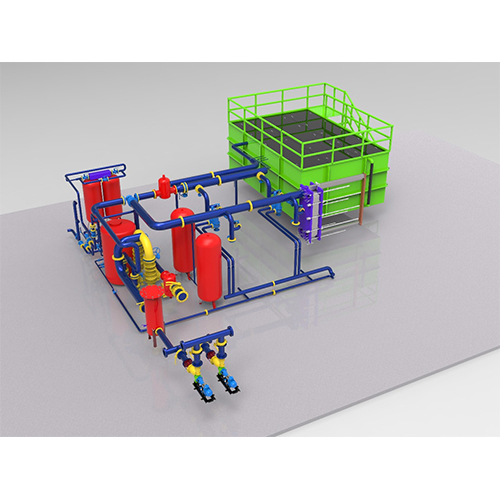
Tell us about your requirement

Price:
Quantity
Select Unit
- 50
- 100
- 200
- 250
- 500
- 1000+
Additional detail
Mobile number
Email

More Products in Chemical Plants Pipeline Category
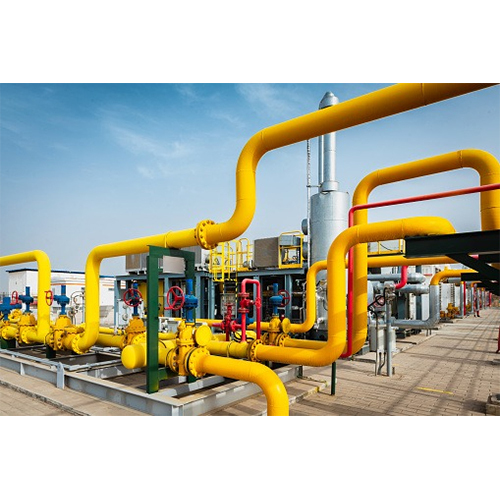
Industrial Chemical Oil and Gas Plants Pipeline
Price 100000 INR / Unit
Minimum Order Quantity : 1 Plant
Pressure Ratings : 2.5 Bar To 20 Bar
Working Presssure : High
Material : MS & SS
Usage : Industrial, Etc

 Send Inquiry
Our Products
- Roll Coolant System
- Vertical Type Candle Magnetic Separator
- Industrial Agitator
- Paper Band Filter
- Compact Band Filter
- Vacuum Filter
- Magnetic Separator
- Sump Tanks
- Cartridge Filters
- Self Cleaning Filter
- Oil Skimmers
- Chip Wringer
- Scraper Conveyor
- Slat Conveyor
- Screw Conveyors
- Belt Conveyors
- Chemical Plants Pipeline
- SS Chain Conveyor
- Air Receiver Vessel
- SS Tank
- Water Treatment Tank
- Heat Exchanger
- Heavy Machinery Base Frames
- Bucket Elevator
- Magnetic Chip Conveyor
- Chip Conveyor
- Oil Filtration System
- Furnace Casing
- Conveyor System

Gat No- 467, At/Po- Urawade, Tal- Mulshi, Dist- Pune, Pune - 412115, Maharashtra, India

Mr Shankar Prabhakar Gade
(Director)
Mobile :08045801178
 Send Inquiry
 Send SMS
Developed and Managed by Infocom Network Private Limited.
 English
 Spanish
 French
 German
 Italian
 Chinese (Simplified)
 Japanese
 Korean
 Arabic
 Portuguese